
Popular Tree Removal Products To Help You Tackle Large and Difficult Trees
Discover essential tools and gear that simplify complex tree removal tasks, ensuring safety and precision every time.
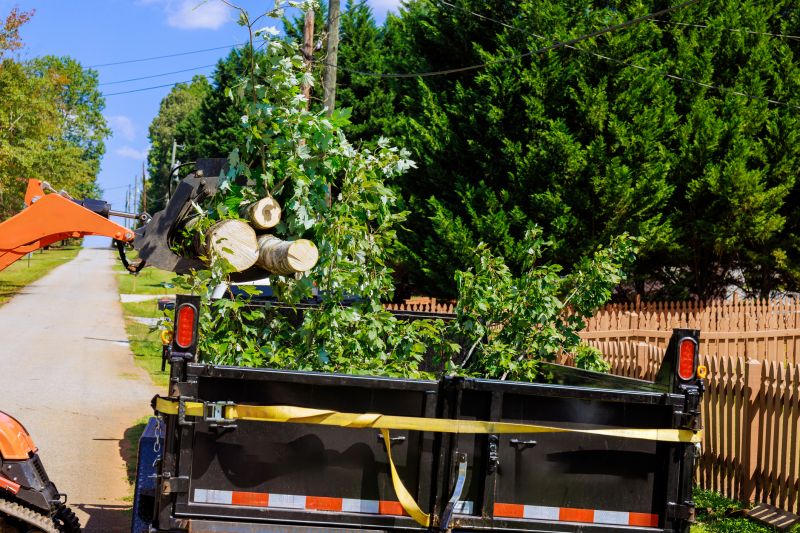 Tree removal is a task that requires careful planning and the right tools to ensure safety and efficiency. Whether dealing with hazardous trees, clearing space for construction, or managing overgrown branches, having the appropriate products can make the process smoother. From manual tools to motorized equipment, there are many options suited for different sizes and types of trees, as well as various terrain conditions. Proper safety gear and accessories are also essential to protect users during the removal process.
Top Overall Option
Multi-Functional Tree Removal Tool Set
A comprehensive set that includes various manual tools such as pruning saws, axes, and loppers, designed to handle different aspects of tree removal with versatility and ease. This type of set offers a practical solution for both professional and DIY projects, providing multiple options for cutting, trimming, and clearing branches or trunks. Its durability and ergonomic design help improve safety and efficiency during use.
Types of Products For Tree Removals
Chainsaws
Powerful motorized tools ideal for cutting through large branches and trunks, available in gas, electric, and battery-powered models.
Pole Saws
Extendable saws designed for trimming high branches without the need for ladders, offering safety and convenience.
Pruning Saws
Handheld saws suitable for detailed trimming and smaller branches, providing precision in cutting tasks.
Axes and Hatchets
Manual tools for chopping small to medium-sized wood, useful for clearing debris and smaller removals.
Stump Grinders
Machines used to grind down remaining stumps after tree removal, facilitating land clearing and landscaping.
Ropes and Wrecking Bars
Accessories for controlling tree falls and leverage during removal, enhancing safety and efficiency.
Safety Gear
Protective equipment such as helmets, gloves, eye protection, and steel-toed boots to ensure user safety.
Loppers
Long-handled cutting tools for trimming branches that are out of reach, providing leverage and control.
Tree Climbing Gear
Harnesses and spikes for professional arborists to safely ascend and work on trees.
Debris Bags and Tarps
Containers and covers for collecting and transporting cut branches and wood debris.
Hydraulic Tree Shears
Heavy-duty attachments for excavators used to cut and remove large trees efficiently.
Log Splitters
Machines for splitting felled wood into manageable pieces, useful for firewood or disposal.
Lifting and Hoisting Equipment
Cranes and hoists to assist in lifting heavy branches or trunks safely.
Tree Removal Dollies
Specialized carts for transporting logs and debris across the work site.
Brush Cutters
Power tools for clearing dense underbrush and small trees in preparation for removal.
Aerial Lifts
Elevating platforms to reach high branches safely, often used by professionals.
Chippers
Machines that chip branches and small logs into mulch, aiding in debris management.
Popular Choices
Battery-powered chainsaws favored for their portability and ease of use for small to medium tasks.
Popular for trimming high branches safely from the ground, reducing the need for ladders.
Trusted for detailed trimming and shaping of trees and shrubs.
Commonly used for chopping and splitting wood during tree removal projects.
Compact and easy-to-maneuver machines for grinding stumps in residential yards.
Essential for controlling tree falls and moving heavy limbs safely.
Standard safety gear for professional and DIY tree work.
Preferred for trimming hard-to-reach branches with minimal effort.
Popular among professional arborists for safe ascent and descent.
Widely used for collecting cut branches and reducing cleanup time.
Favored for their efficiency in splitting large logs into manageable pieces.
Increased popularity for on-site mulch production and debris reduction.
Growing in popularity for high-reach trimming and pruning tasks.
Useful for safely lifting heavy limbs or trunks during removal.
Trending among hobbyists for artistic woodwork and detailed trimming.
Often used in conjunction with tree trimming for detailed shrub and branch work.
Popular for quick stump removal in residential landscapes.
For those undertaking tree removal projects in Falls Church, VA, understanding the range of available products can help in selecting the most suitable equipment. Smaller projects might involve hand tools like pruning saws and axes, while larger, more complex removals could require chainsaws, pole saws, or even stump grinders. It's important to consider the size and location of the tree, as well as the experience level of the operator, when choosing the right tools.
Safety should always be a top priority. Using high-quality protective gear such as helmets, gloves, eye protection, and sturdy footwear can significantly reduce the risk of injury. Additionally, accessories like hauling straps, wedges, and ropes can assist in controlling the fall and ensuring safe removal. Proper maintenance and understanding of each tool's capabilities are crucial for effective and safe tree removal activities.
Investing in the right products for tree removal can help ensure the process is carried out efficiently and safely, whether for professional arborists or homeowners. By selecting appropriate equipment, users can approach tree removal with confidence, minimizing hazards and maximizing productivity. Always follow manufacturer instructions and safety guidelines when operating any machinery or tools involved in tree removal projects.
Key Buying Considerations
- Tree size and trunk diameter to determine the power and size of equipment needed.
- Terrain and accessibility of the work site to select appropriate mobility and reach tools.
- Frequency of use—occasional DIY projects versus professional, repeated use.
- Power source preferences such as gas, electric, or battery-powered equipment.
- Safety features like automatic chain brakes, blade guards, and ergonomic handles.
- Weight and portability of tools for ease of handling and transportation.
- Durability and build quality to withstand demanding work conditions.
- Ease of maintenance and availability of replacement parts.
- Noise levels, especially for residential areas or noise-sensitive environments.
- Budget constraints balanced with the quality and features required.
- Compatibility of accessories and attachments to expand functionality.
- Operator experience and comfort with specific types of tools.
- Storage and organization options for tools and safety gear.
- Availability of safety gear and protective equipment.
- Manufacturer reputation and customer reviews for reliability and support.
This page contains affiliate links. We may earn a commission if you make a purchase through these links, at no additional cost to you.